Originally Apr 5, 2017


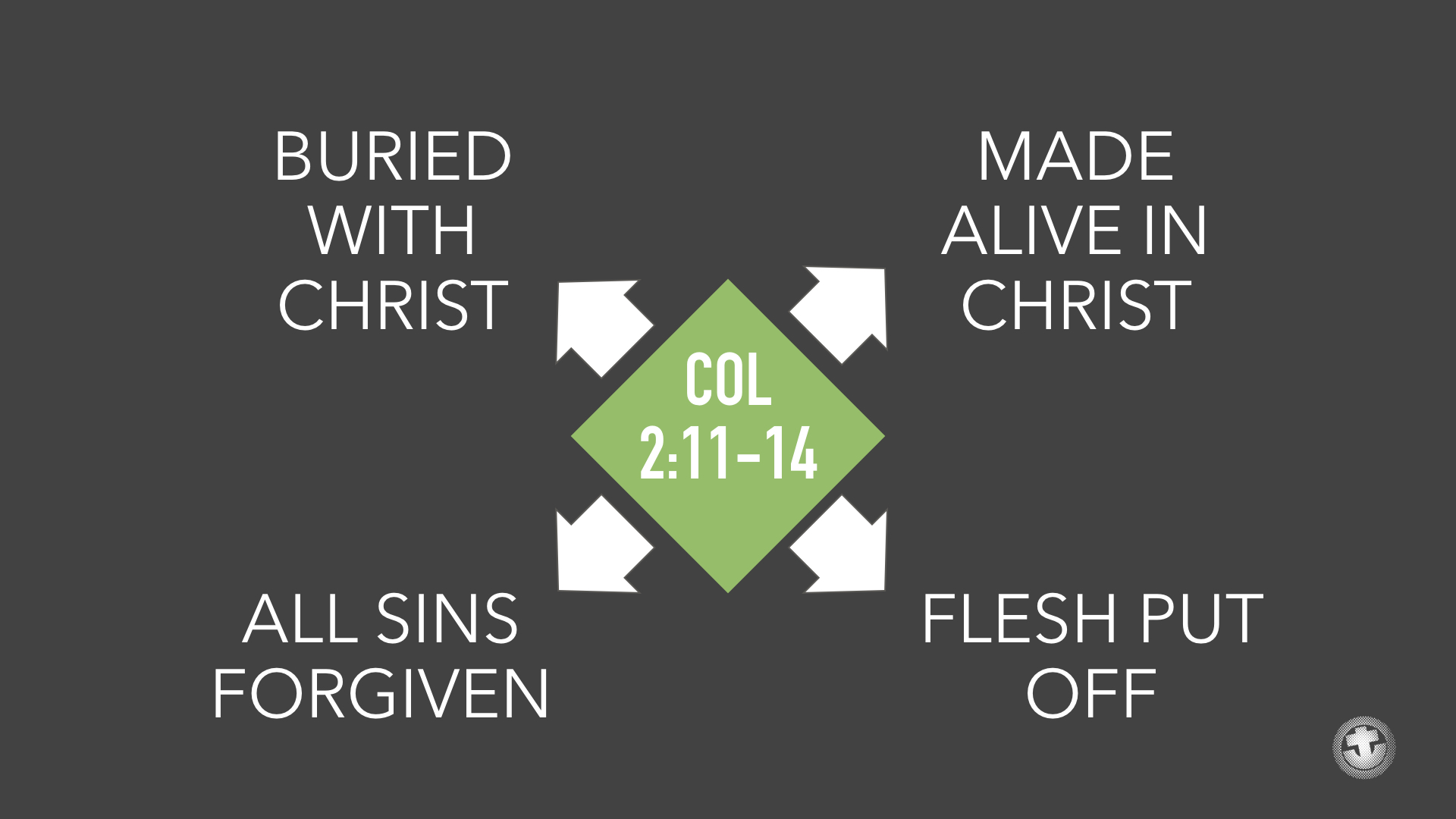
God affirms a covenant with Abraham (no longer called Abram) to be the father of a multitude through Isaac, if Abraham will walk faithfully and obediently with God. Abraham responds to God's offer by circumcising himself and his household that same day. For us, circumcision of the foreskin holds no value, but Christ does circumcise our flesh when we raised to new life in Him. See Colossians 2:11-14
Originally posted Mar 26, 2017
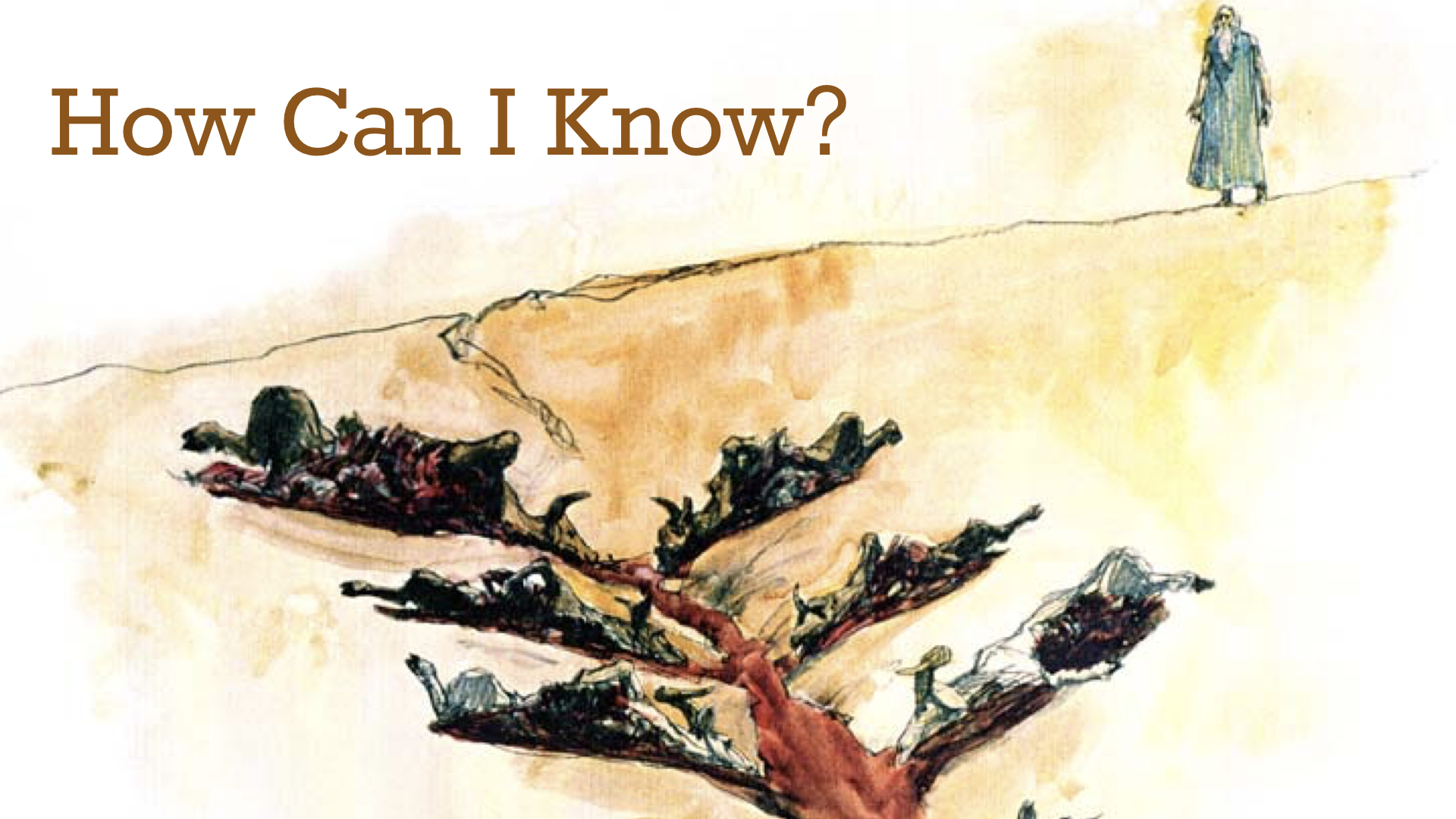
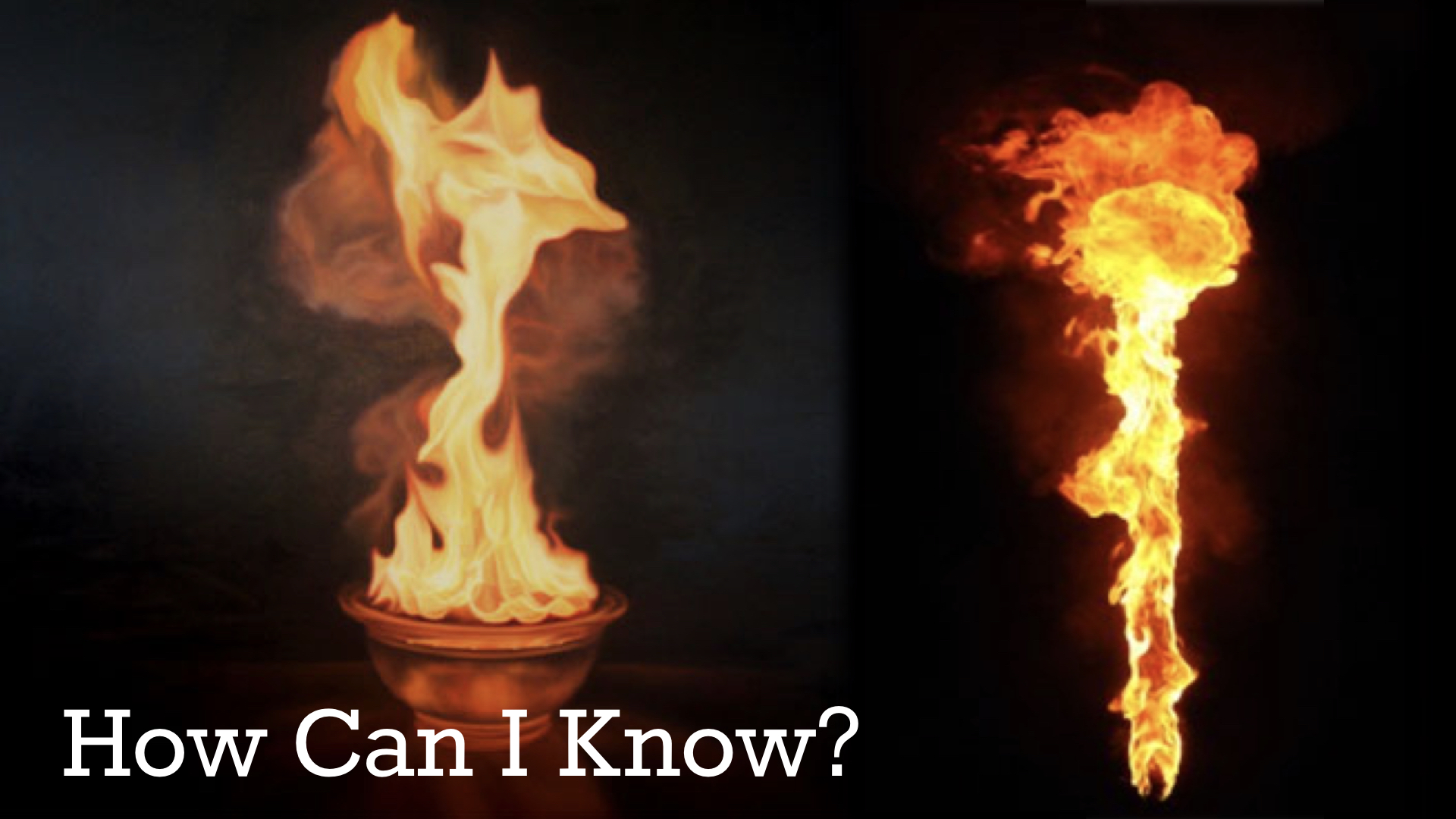
God exalts Abram for his faith by crediting him with righteousness. Yet Abram repeatedly expresses his doubts even in the midst of faithful walking with God. "How can I know?" he asks. God responds with a covenant ratification ceremony that amazes Abram and anchors us in real hope. No one could see this coming! See also Galatians 3:13-14 and Hebrews 6:17-19.
Originally posted Mar 19, 2017
Originally posted Mar 16, 2017
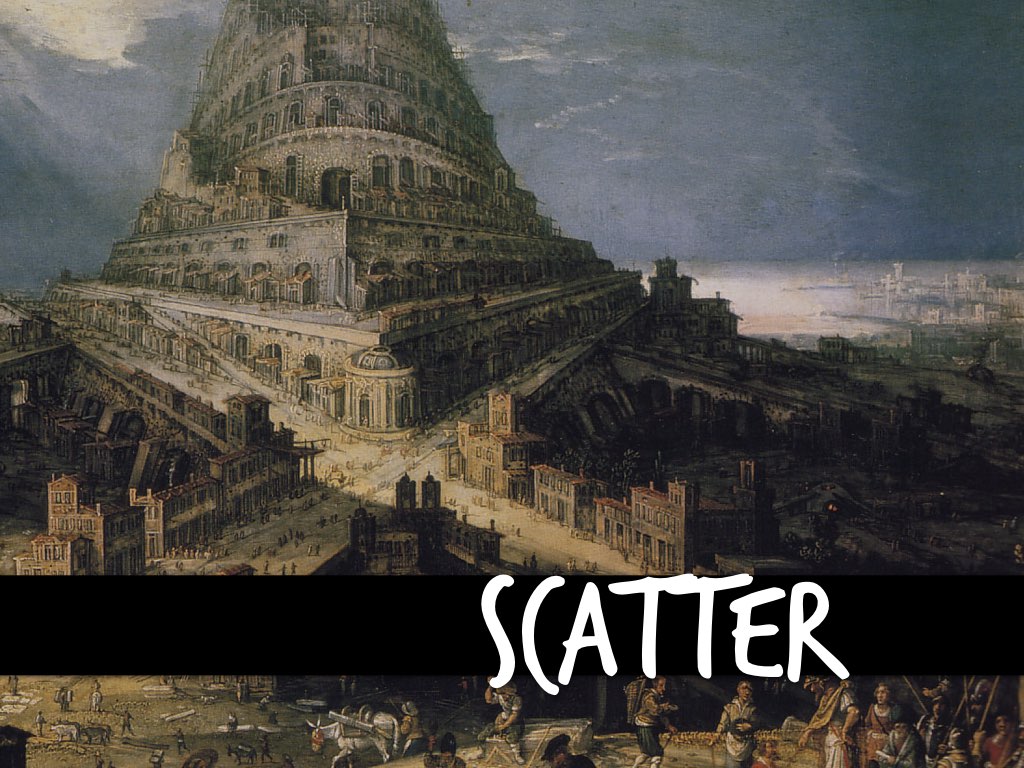
As the "pre-history" of Genesis draws to a close, God re-engages man to fill the earth, but man attempts to live out of alignment with the will of God. Genesis 11:1-9
Originally posted Feb 14, 2017

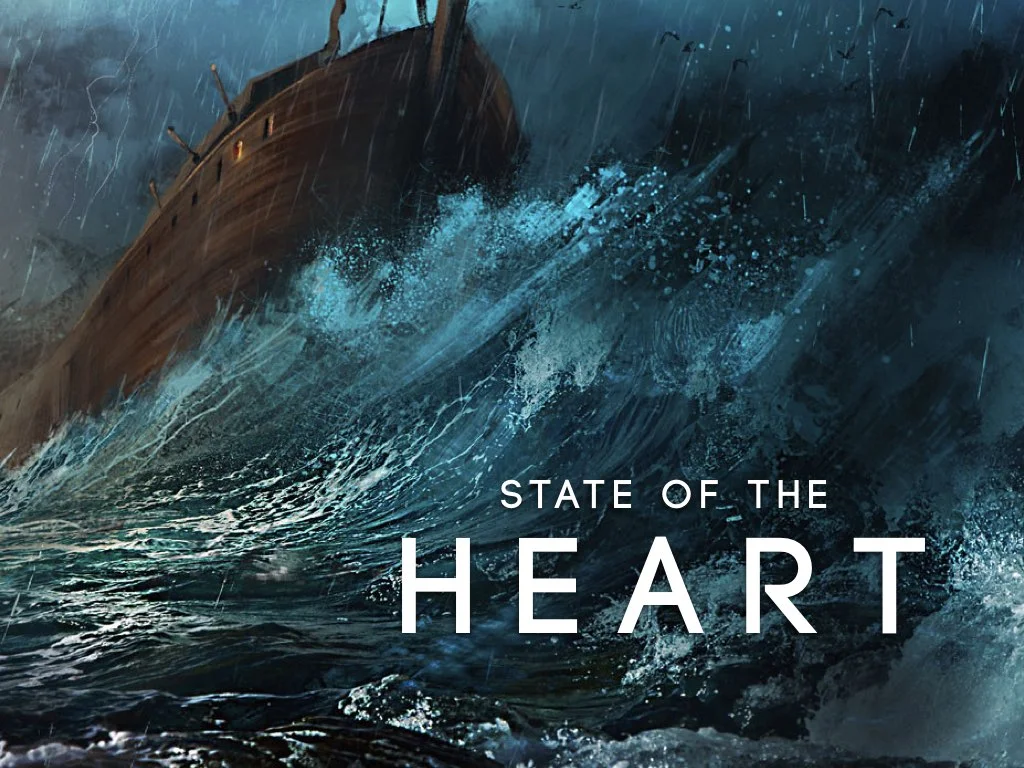
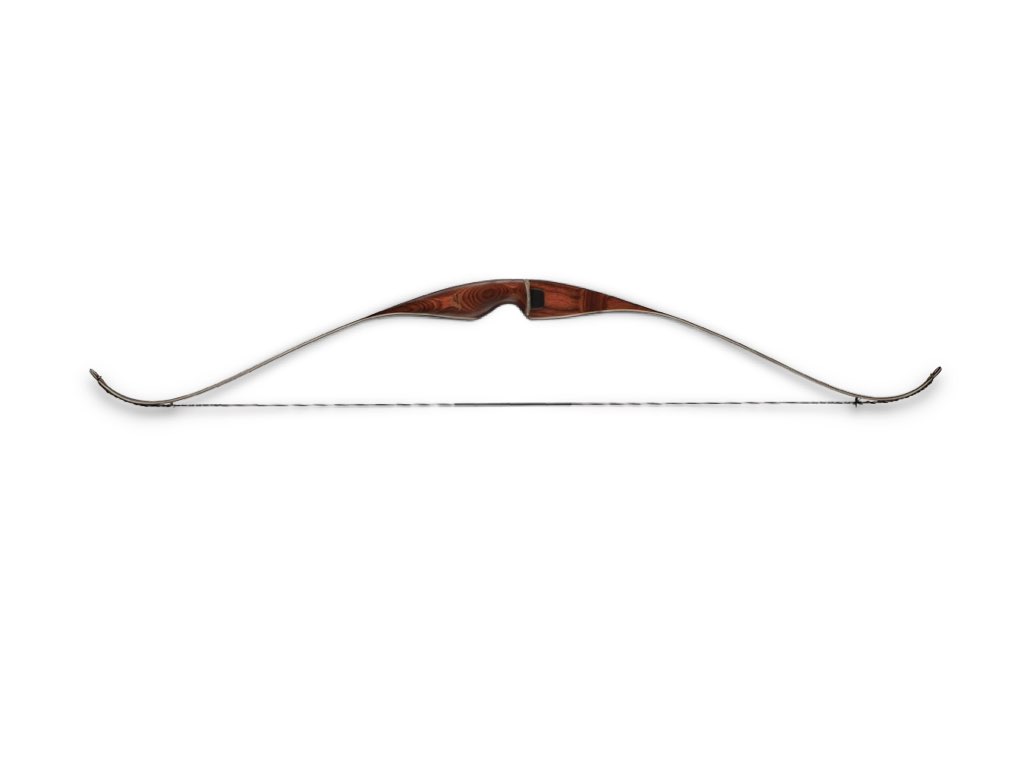
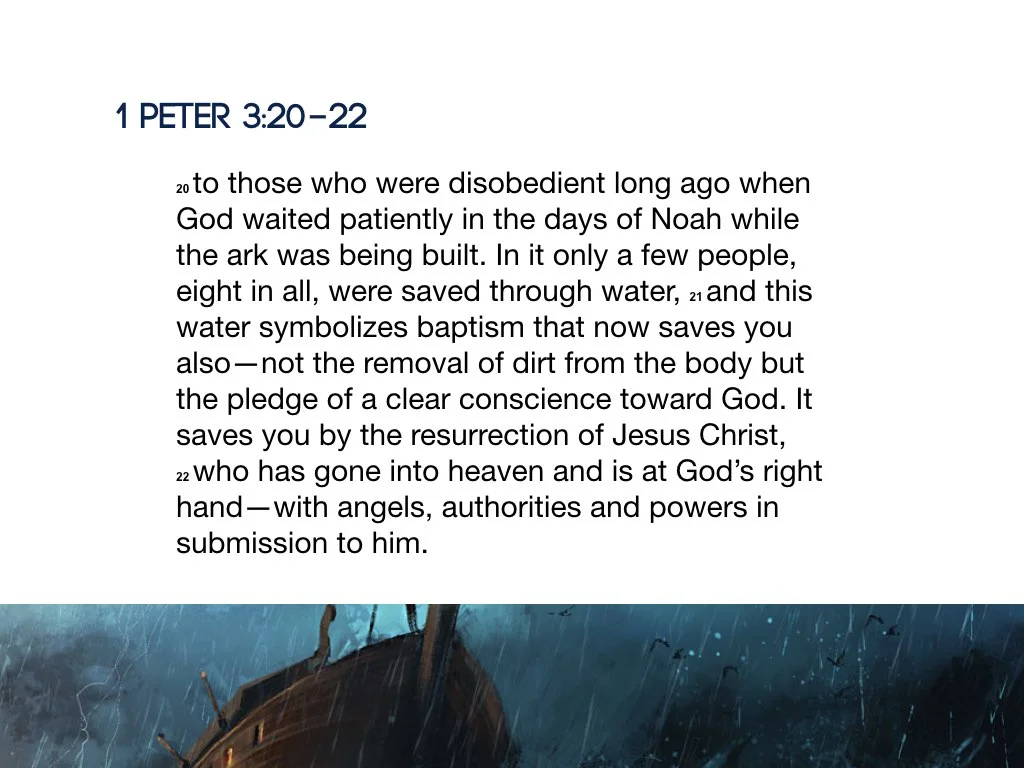
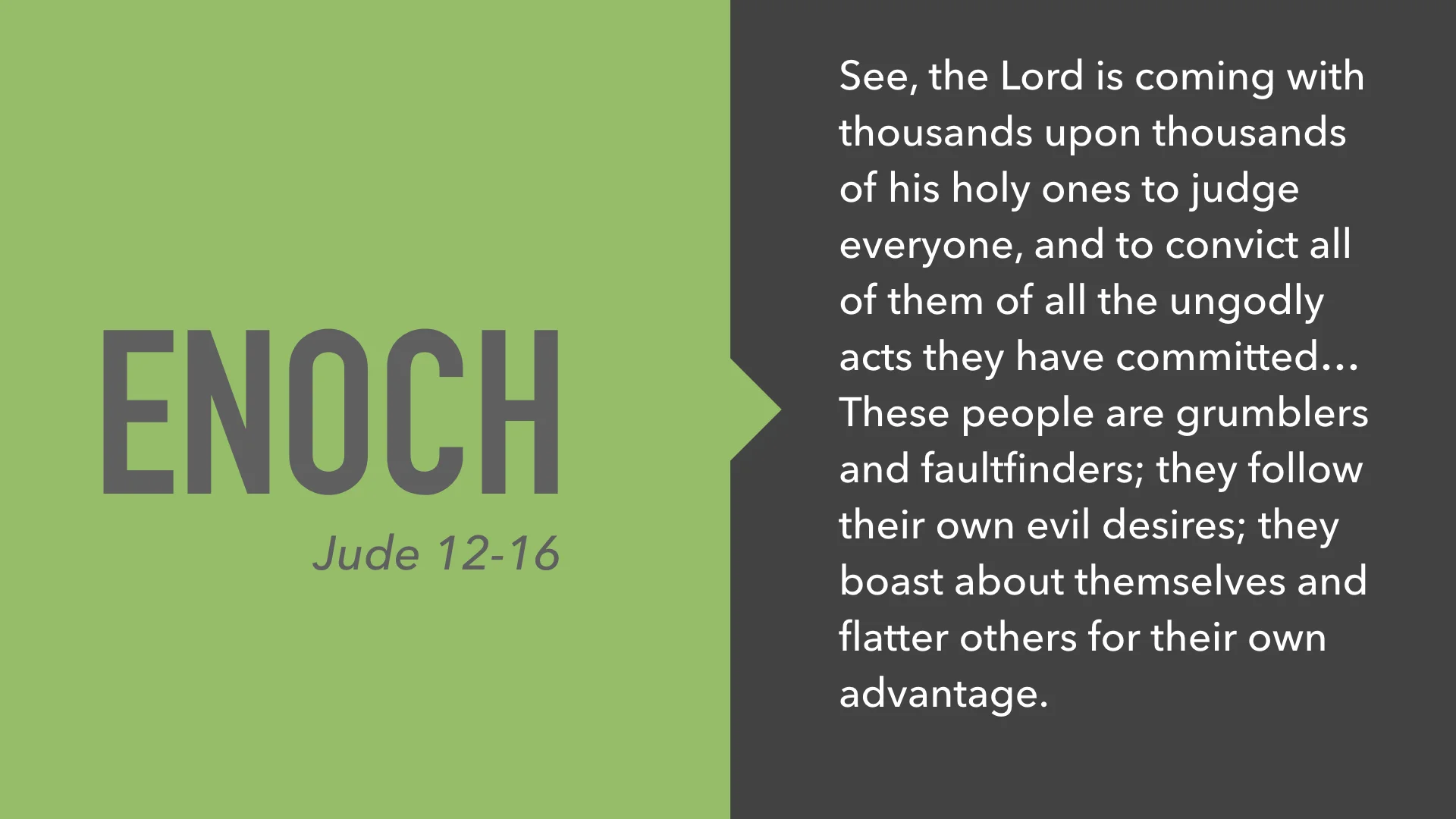
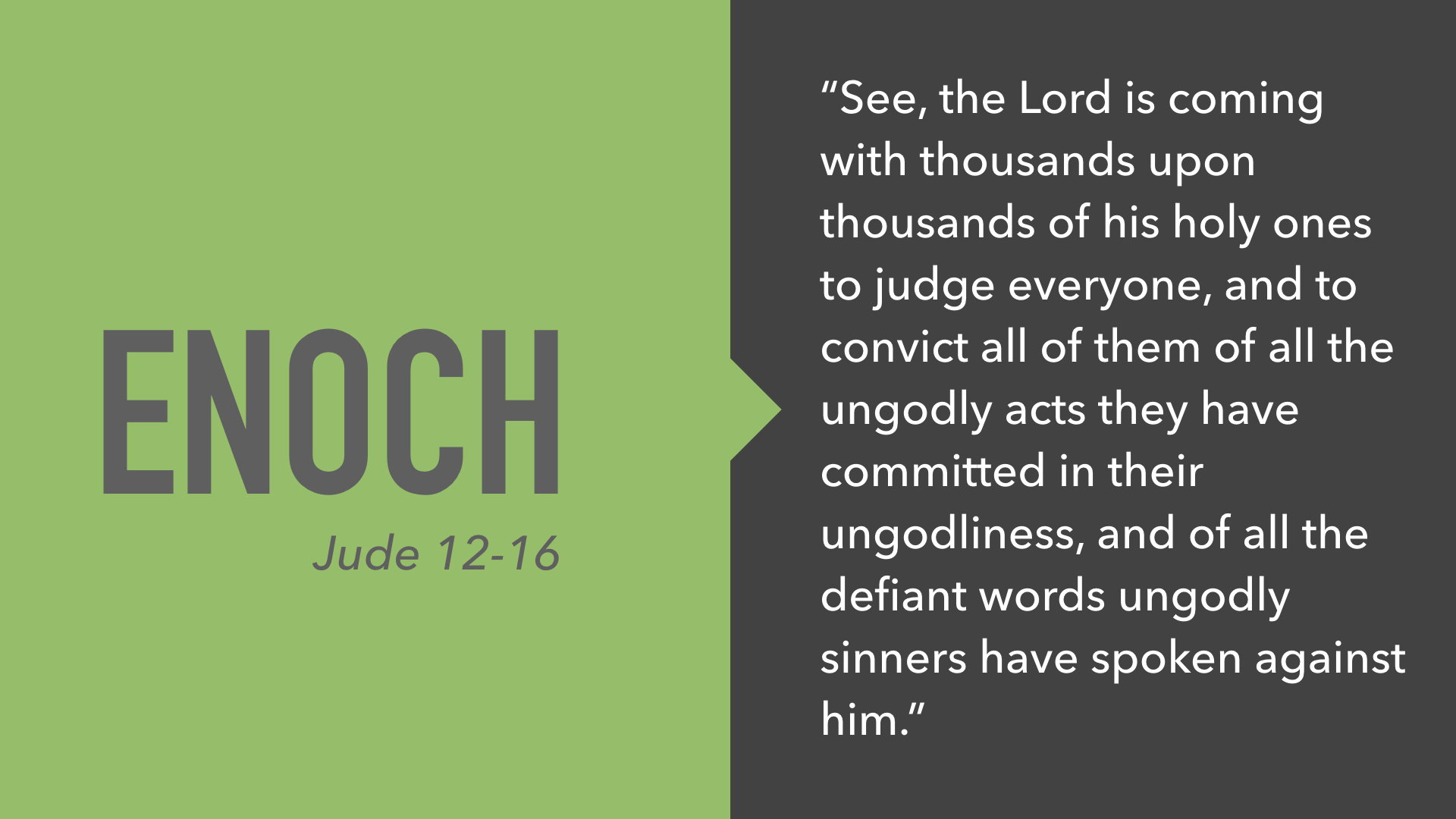
Through the flood, the ark and the bow, we can appreciate: Man's Sin, God's Grief, and Costly Mercy. This sermon also referenced Genesis 1:31, Jude 12-16, Luke 17:26-27, 1 Peter 3:20-21
Originally posted Feb 6, 2017
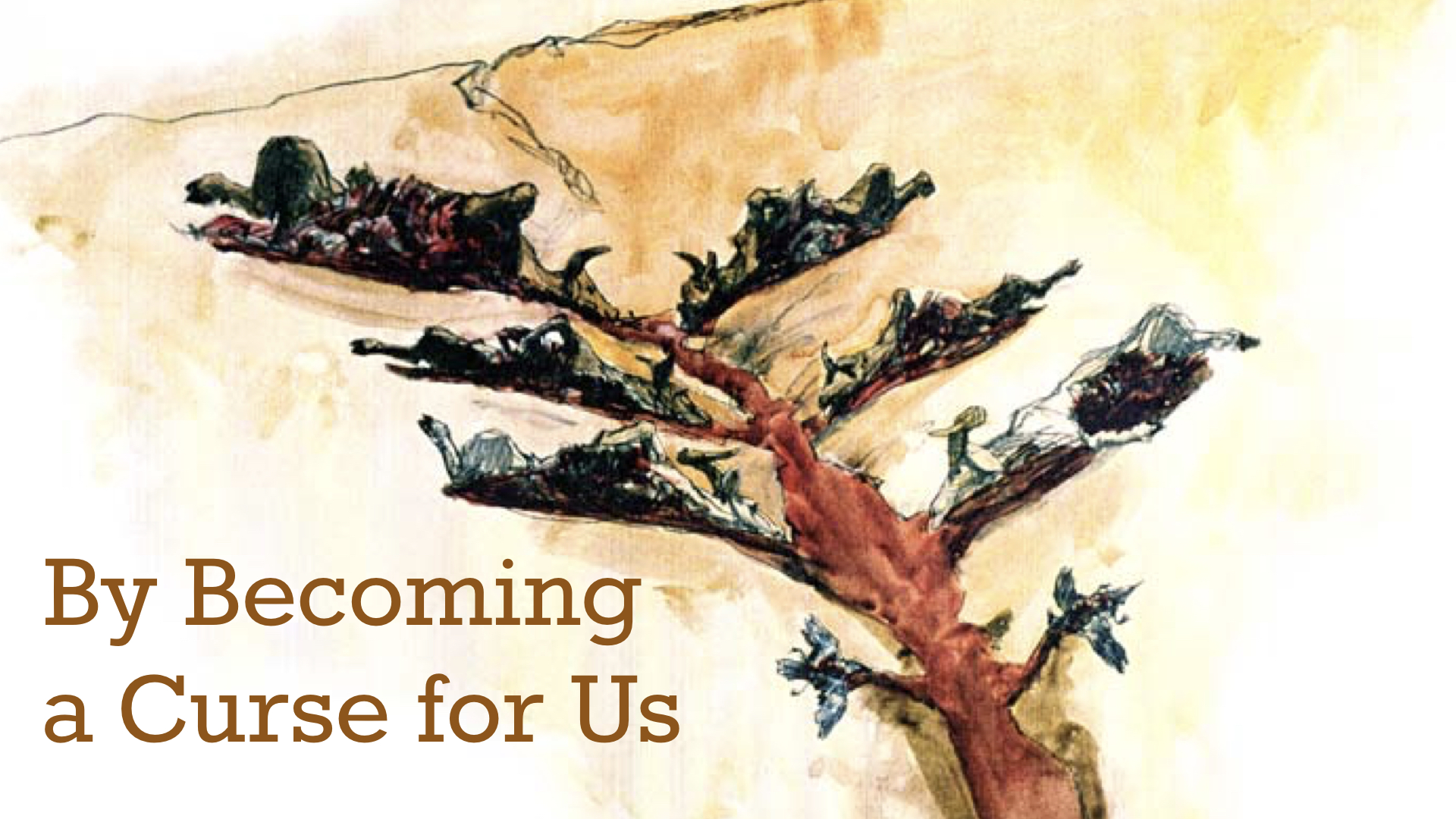
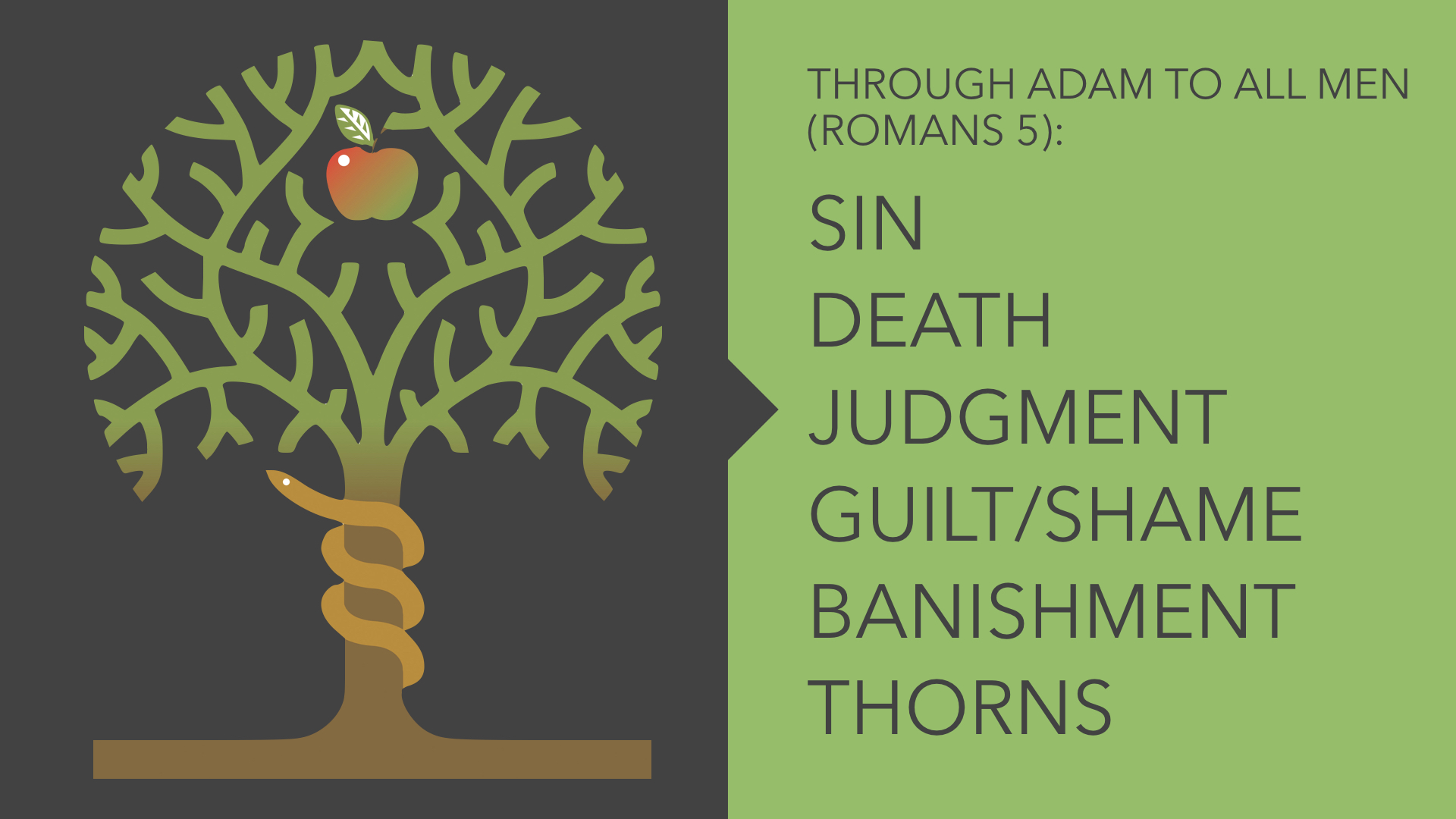
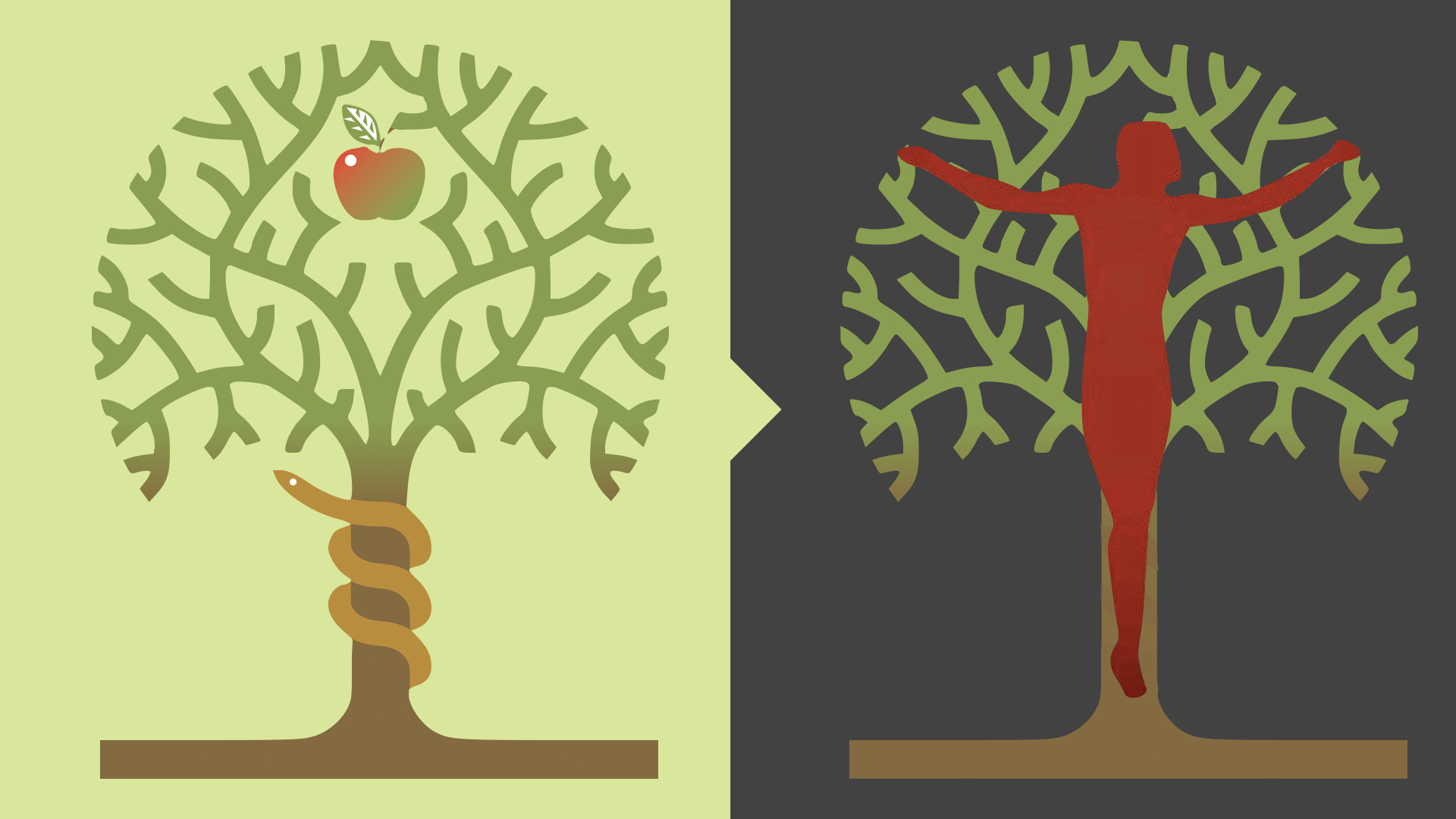
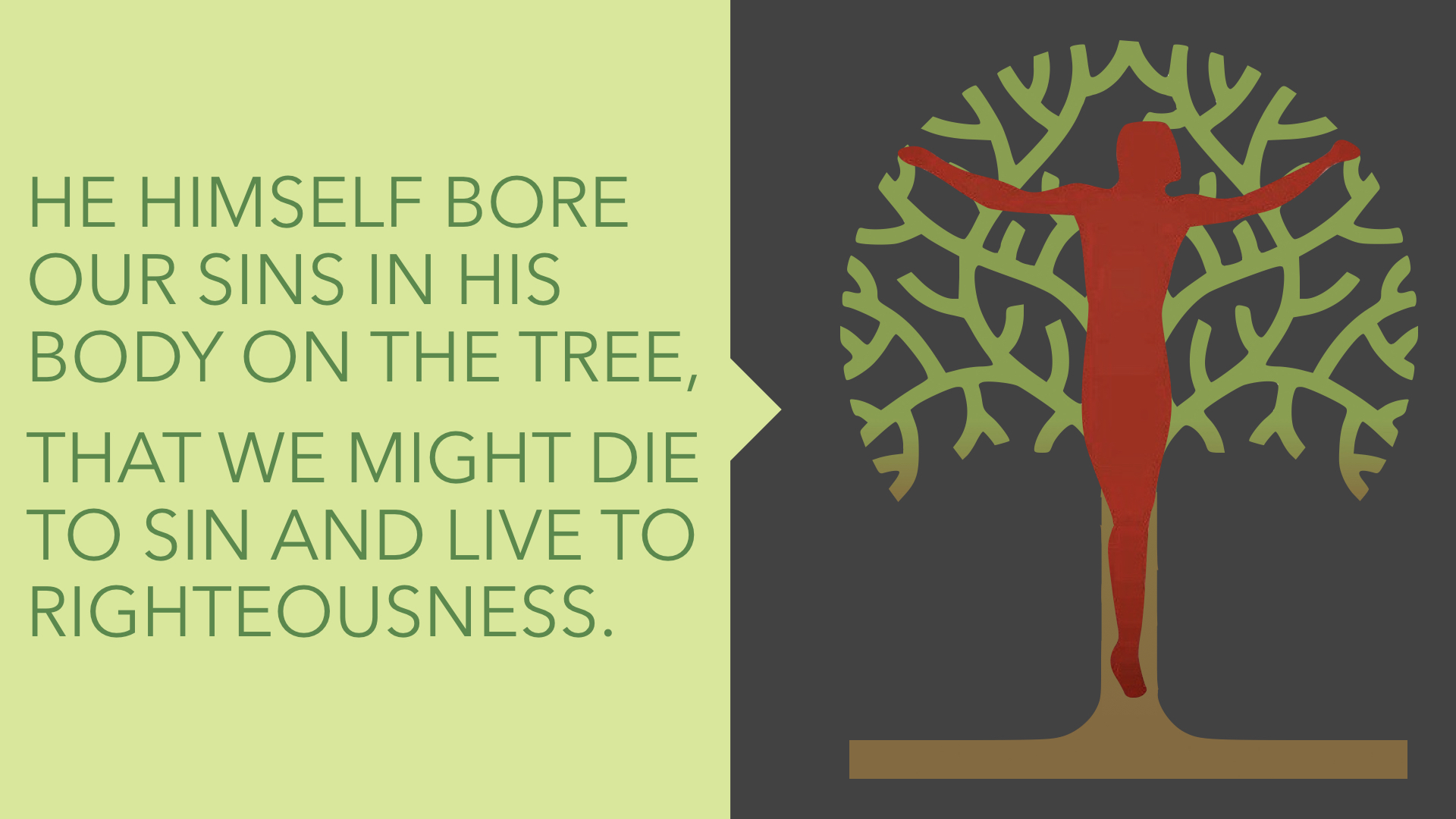
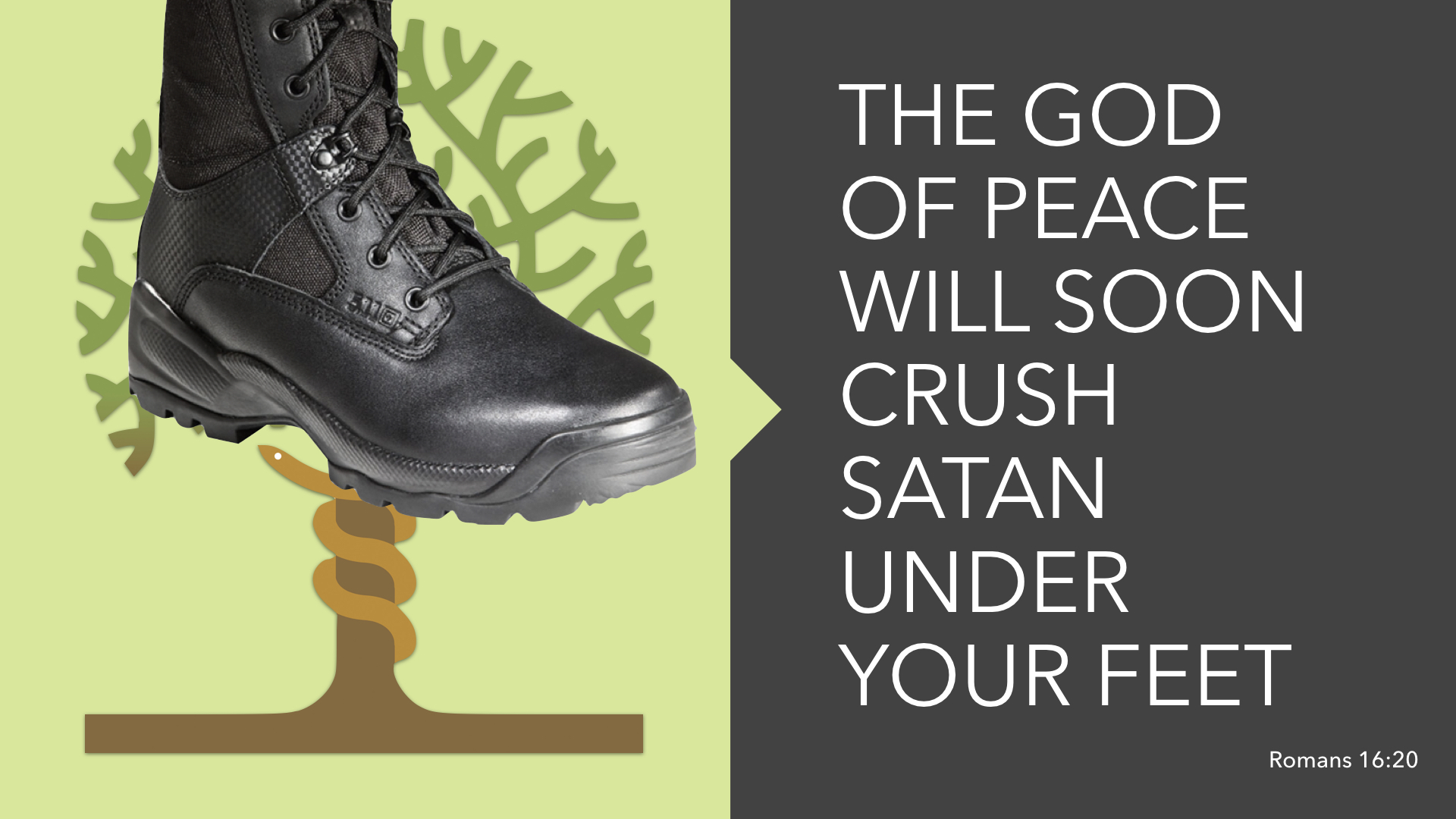
In the great epic of Creation—Fall—Redemption—Restoration, the Bible here describes the loss of paradise and the fall of man through the first Adam. But just as the first Adam disobeyed regarding the Tree, the second Adam, that is Jesus, obeyed concerning the tree to provide reverse the curse and set the stage for a paradise restored. A study of Genesis 3:1-24.
Originally posted Jan 22, 2017
Originally posted Jan 24, 2017
Genesis 1 often stirs interest in the question "HOW was the universe created?" However, based on the artistry and significance of this Scripture, the better questions to ask is "WHY was the universe created?" Our first look at Genesis 1:1-31
Sermon originally posted Jan 1, 2017